Chill Bro - AI Is Just A Tool
AI is not new and it is not magic — it has been embedded in banking, government, and consumer products since the 1950s. The question is not whether to use it, but whether you are training yourself to use it well.
INSIGHTS
Straight talk on IT leadership, infrastructure, and building organizations that work.
AI is not new and it is not magic — it has been embedded in banking, government, and consumer products since the 1950s. The question is not whether to use it, but whether you are training yourself to use it well.

Private 5G delivers real advantages in specific environments — high device density, large outdoor campuses, and operations that cannot tolerate Wi-Fi interference. For most mid-market organizations, a properly designed Wi-Fi 6 network covers the same ground at a fraction of the cost.
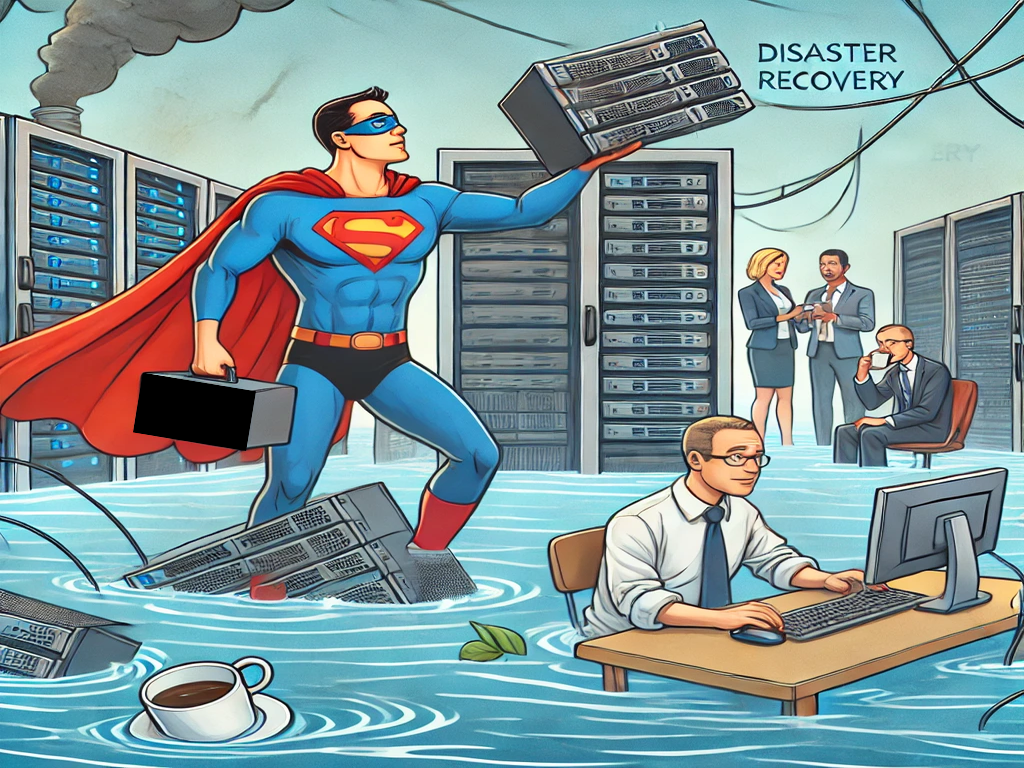
Most organizations have a disaster recovery plan, and most of those plans have never been tested under realistic conditions. That gap is the difference between recovering in hours and recovering in days — or not recovering at all.

Cloud-native and cloud-hosted are not the same thing, and confusing the two leads to investments that do not deliver what was expected. Cloud-native means the application was designed from the ground up for cloud environments — microservices, independent deployability, and fault isolation built in from the start.

Every year has a list of trends to watch — these six are different because each one has a decision window in 2025 and waiting will cost more than acting. AI governance, post-quantum cryptography preparation, and identity security are moving from best practices to baseline requirements.

2024 did not introduce many new ideas — it forced decisions on things organizations had been deferring for years. Hybrid work infrastructure is permanent, VMware's economics changed dramatically, and Zero Trust moved from a buzzword to an architecture requirement.

The holiday period is one of the worst times for IT incidents and one of the worst times to respond to them — reduced staff, users on home networks, and a predictable surge in phishing campaigns all arrive at once. The organizations that make it through cleanly are the ones that prepare before the holiday window opens, not during it.

Edge computing moves processing closer to where data is generated, and in specific environments that single change matters enormously — manufacturing automation, distributed retail operations, and facilities where WAN latency creates real operational problems. It is the answer to a documented problem, not a strategy you adopt and then find uses for.

Zero Trust gets talked about constantly and implemented correctly far less often — some vendors apply the label to any product with MFA support, which misses the point entirely. It is an architectural principle requiring that every access request be verified regardless of network location, with least privilege enforced at every layer.
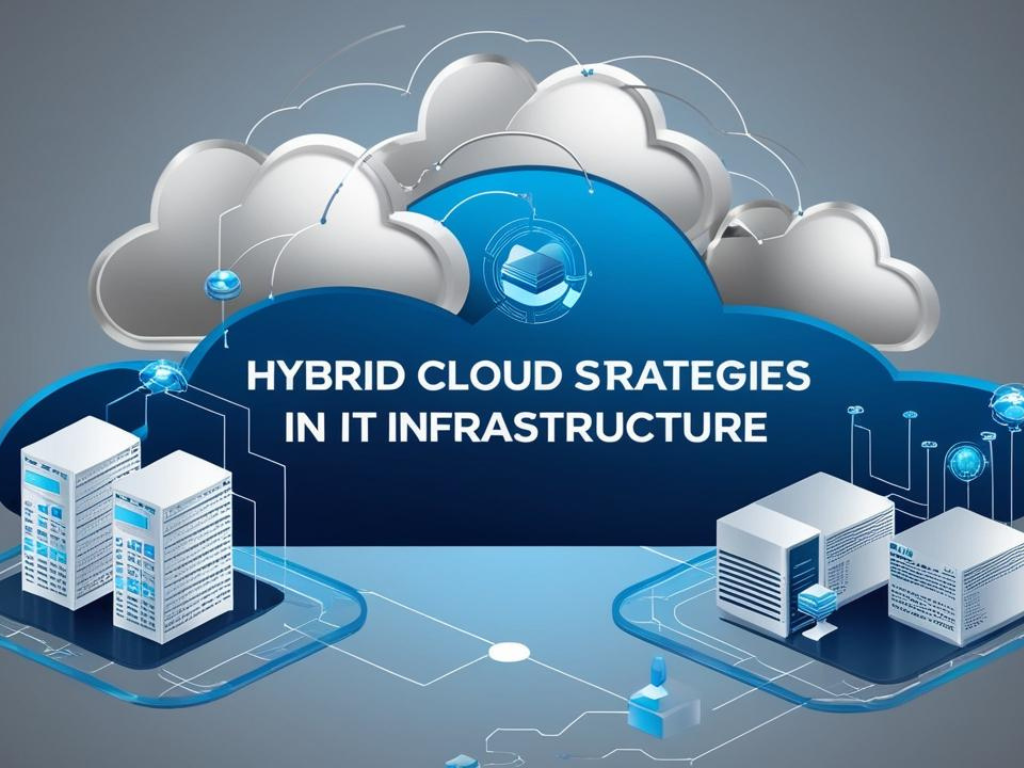
Hybrid cloud has moved past the strategy discussion for most organizations — the question in 2025 is how to manage that complexity without losing visibility or control. The organizations that struggle most are not the ones that moved too fast; they are the ones that moved without governance in place first.

AI is producing real results in specific, well-defined areas of IT infrastructure management — and being oversold in ways that create unrealistic expectations. Anomaly detection and alert prioritization is the strongest current use case, helping teams find the signal in volumes of alerts no human team can meaningfully process.

Both Citrix on Azure and Nerdio are legitimate VDI platforms, and neither one wins in every situation — the decision comes down to your specific environment. Making the wrong call early creates operational friction you will feel for years.
Broadcom's acquisition of VMware changed the licensing economics in ways most organizations did not anticipate — renewal quotes are coming in at two to three times previous contracts, perpetual licenses are gone, and bundles are mandatory. IT leaders who were comfortable with their VMware environment are now making decisions they did not expect to make this budget cycle.

Most organizations have some version of a disaster recovery plan, and few have actually tested it under realistic conditions. That gap between having a plan and having a plan that works is where incidents turn into disasters.

Most cloud security failures come from the same places every time: unencrypted data, accounts with more access than they needed, and environments that no one audited after the initial deployment. The principles are not new — the execution is where organizations fall short.

Traditional WAN architecture routes everything through headquarters, which was manageable when organizations had a handful of offices and no remote workforce — now it is not. Organizations that built distributed teams without rethinking their network architecture are paying for it in help desk tickets about slow application response and choppy video calls.

Mid-market IT organizations face enterprise-level complexity with a fraction of the budget and headcount that large enterprises use to manage it. Four infrastructure trends are making that gap worse for organizations that have not addressed them — and creating measurable advantage for those that have.

Every infrastructure proposal looks good on paper — what separates vendors who deliver from vendors who struggle is how they answer five specific questions before you sign anything. Reference calls are rehearsed; what you want is documented evidence of a comparable project actually completed.

Aging server hardware creates performance problems that no amount of software tuning will solve — but spending on new hardware without the right architecture to run on top of it leaves performance on the table just as surely. Getting the most from a hardware investment means pairing current-generation equipment with a Citrix environment configured to take full advantage of it.
Legacy applications running past their support window are not just a maintenance inconvenience — unpatched vulnerabilities accumulate every month after a vendor stops releasing security updates. Deferred modernization does not defer the risk; it concentrates it.

HIPAA compliance is not a product you install — it is an ongoing operational commitment, and most partners who claim to deliver it have never worked in a clinical environment. The compliance framework has to accommodate real clinical workflows, or staff will route around it.

The VDI market in 2025 looks meaningfully different than it did three years ago — new delivery models, real competition at the platform level, and rising expectations around automation are changing the decisions IT leaders need to make. The dominant pattern is a split model with persistent workloads on premises and burst capacity in the cloud.

Security that makes people less productive is not a security win — it is a trade-off that leads to workarounds like shared credentials and always-open sessions. Citrix is built around avoiding that trap, giving IT the control it needs without creating the friction that drives bad habits.

Virtualization and containerization are not competitors — they solve different problems, and organizations that get the most from their infrastructure understand when to use each one. Virtual machines provide complete OS isolation for legacy applications; containers provide lightweight portability for modern workloads built to take advantage of it.

Citrix environments degrade quietly — sessions still launch, applications still run, but logon times creep up and latency increases over months before anyone investigates. By the time IT is actively looking at the problem, the environment has typically been underperforming for a long time.

The common concern about virtualizing heavy workloads — CAD, healthcare imaging, financial modeling — is that centralized servers will introduce latency and degrade the experience. In practice, with Citrix Virtual Apps configured correctly, resource-intensive applications often perform better than they do on local devices competing for resources with everything else on the machine.

VDI reframes the disaster recovery question: when desktops and data live in the data center rather than on individual devices, many disasters simply do not stop operations the way they used to. The office floods, a server fails, or ransomware hits an endpoint — in a VDI environment, users reconnect from any device and keep working.

Citrix DaaS eliminates the on-premises control plane — delivery controllers, StoreFront servers, license servers — replacing it with a cloud-managed service that Citrix operates. For organizations that want Citrix capabilities without the infrastructure overhead, adding capacity becomes a configuration change instead of a procurement project.

Microsoft has ended support for Windows 11 22H2, meaning every device still running it is now a fixed target for any vulnerability discovered after the end-of-support date. HIPAA, PCI-DSS, and most cyber insurance policies require running supported software — staying on 22H2 post-EOL is a compliance failure auditors will flag.

Remote access problems — VPN sprawl, inconsistent authentication, applications that behave differently from outside the office — show up in almost every organization that has grown past 100 people without a deliberate remote access strategy. Citrix ADC Gateway consolidates all of it into one place where authentication is enforced and encrypted connections are established before anything reaches internal resources.

For growing organizations with distributed workforces, VDI consistently delivers on six specific benefits that matter in practice. Centralizing data and applications in a controlled environment changes the threat surface fundamentally — when a laptop is lost or stolen, the data is not on it.

VDI can reduce IT support tickets by half, extend hardware life by four or five years, and give distributed teams the same experience they would get in the office — but only if the groundwork is done correctly. Before choosing a platform or talking to a vendor, you need clear answers about what is driving the decision and which of your applications will not virtualize cleanly.